← All Posts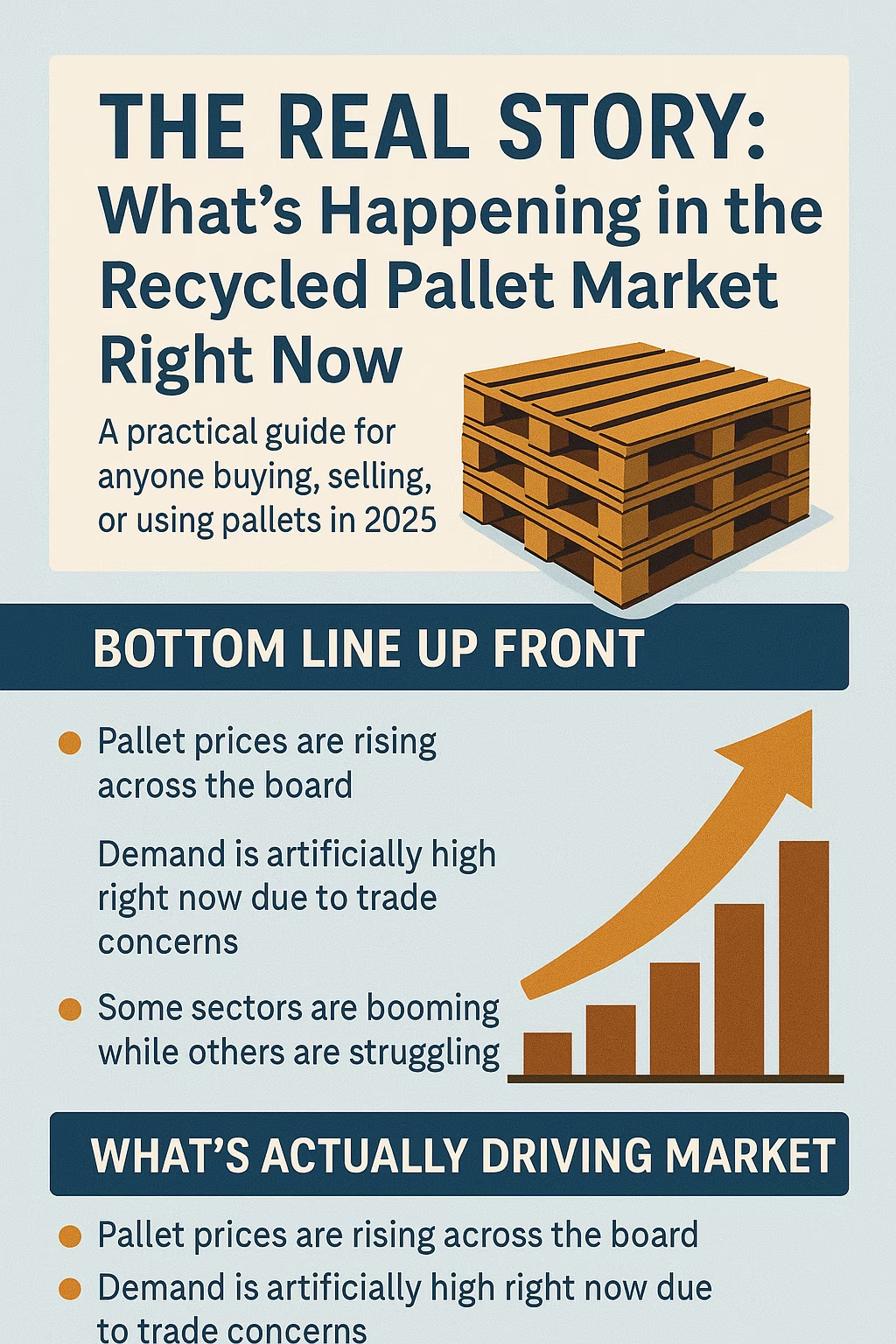
What's Happening in the Recycled Pallet Market Right Now
Jun 11, 2025
The Real Story: What's Happening in the Recycled Pallet Market Right Now
A practical guide for anyone buying, selling, or using pallets in 2025Bottom Line Up Front
If you're in the pallet business, here's what you need to know: prices are going up, demand is strong but uneven, and the market is being driven by some unusual factors that won't last forever. The short version:- Pallet prices are rising across the board
- Demand is artificially high right now due to trade concerns
- Some sectors are booming while others are struggling
- Supply chains are still working out the kinks from recent disruptions
What's Actually Driving the Market
Trade Wars and Tariff Games
Companies are scrambling to import goods before new tariffs hit. This creates a huge spike in demand for pallets at ports and distribution centers. It's like Black Friday for the import business - everyone wants everything shipped NOW. What this means for you: If you need pallets for import operations, expect to pay more and potentially wait longer. If you supply pallets, this is temporary gold rush territory.Manufacturing is Steady but Cautious
Factories are producing goods at a decent clip, but they're also stockpiling more inventory than usual. Nobody wants to get caught short if supply chains get disrupted again. The reality: More inventory sitting around means more pallets tied up in storage. Good for pallet demand, not so good for circulation speed.Retailers Playing Defense
Store chains are walking a tightrope. They need enough inventory to keep shelves stocked, but they don't want to get stuck with too much expensive merchandise if consumer spending drops. What's happening: Retailers are being pickier about what they stock and where they store it. This creates weird demand patterns - some distribution centers are packed while others are running lean.The Money Story: Why Prices Keep Going Up
It's Not Just Pallets - Everything Costs More
Wood prices are up. Labor costs are up. Transportation costs are definitely up. When your raw materials and operating expenses increase, those costs get passed along.The Supply Side Squeeze
There aren't enough good quality recycled pallets to go around in some markets. When supply is tight and demand is strong, prices rise. Basic economics.Regional Differences Matter
A pallet shortage in California doesn't necessarily mean there's a shortage in Ohio. But if you're shipping coast-to-coast, you'll feel the pinch of regional imbalances.Industry Breakdown: Who's Winning and Who's Struggling
Food and Grocery: The Steady Eddie
People need to eat regardless of economic conditions. Food distribution is probably the most stable part of the pallet market right now. Good news: Consistent demand, predictable patterns Challenge: Food safety requirements mean you can't just use any old palletE-commerce: Still Growing but Slowing Down
Online shopping isn't exploding like it did during the pandemic, but it's still growing. The big change is that companies are getting smarter about warehouse locations and inventory management. What's different: More regional fulfillment centers mean shorter shipping distances but more complex pallet logistics.Automotive: Boom and Bust Cycles
Car manufacturing is weird right now. Electric vehicle production is ramping up while traditional car making is adjusting. This creates unpredictable pallet demand. The reality: If you serve the auto industry, expect ups and downs that don't follow normal patterns.Construction and Home Improvement: Cooling Off
High interest rates have slowed down home building and major renovations. This affects demand for construction materials and the pallets that carry them.What Smart People Are Doing Right Now
If You Buy Pallets
Lock in suppliers: Don't rely on spot market pricing if you can help it. Build relationships with suppliers who can guarantee availability. Think quality over price: A cheap pallet that breaks and damages your product is more expensive than a good pallet that costs a bit more. Plan for regional differences: What works in one market might not work in another. Have backup suppliers in different regions.If You Sell Pallets
Focus on reliability: Customers will pay more for suppliers they can count on. Consistency beats rock-bottom pricing. Invest in quality control: Better inspection and refurbishment processes let you charge premium prices. Watch your geographic coverage: Being able to serve multiple regions gives you flexibility when local markets get tight.If You're a Supply Chain Manager
Don't optimize for the current weird market: Make decisions based on what you think will be normal, not what's happening right now. Track your pallet costs separately: Pallet expenses are becoming a bigger part of logistics budgets. Manage them like any other significant cost. Consider pallet pooling: Rental and pooling services are looking better as purchase prices rise.The Uncomfortable Truths
This Market Run Won't Last Forever
The current high demand is driven by temporary factors. Companies front-loading imports and building extra inventory creates artificial demand that will eventually normalize.Labor Shortages Are Real
The pallet industry, like many others, is struggling to find workers. This affects both quality and availability.Sustainability is Becoming Non-Negotiable
More companies are requiring sustainable packaging solutions. Recycled pallets have an advantage here, but only if they meet quality standards.Looking Ahead: What to Expect
Next 6 Months
Demand stays strong, prices stay high. The import rush continues, and companies keep building inventory buffers.Rest of 2025
Things start to level out. Import volumes normalize, inventory levels adjust, and demand becomes more predictable.Longer Term
The market finds a new normal that's probably somewhere between pre-pandemic patterns and current craziness.Practical Advice for Different Situations
You Run a Small Manufacturing Company
- Build relationships with 2-3 reliable pallet suppliers
- Don't chase the cheapest price if it means unreliable supply
- Consider upgrading to better quality pallets if they reduce product damage
You Manage Warehouse Operations
- Track pallet costs as a separate line item in your budget
- Implement better pallet tracking to reduce losses
- Consider automated handling systems that work with standard pallet sizes
You're in Pallet Sales or Brokerage
- Focus on service and reliability over price competition
- Develop expertise in specific industries or regions
- Invest in better sorting and refurbishment capabilities
You're Making Investment Decisions
- Current market conditions favor existing operators over new entrants
- Technology investments in tracking and automation are paying off
- Regional differences create opportunities for targeted investments
The Final Word
The recycled pallet market is going through a period of unusual strength driven by temporary factors. Smart players are taking advantage of current conditions while preparing for eventual normalization. Key takeaways:- Prices are high but demand is strong
- Current conditions won't last forever
- Quality and reliability matter more than ever
- Regional differences create both challenges and opportunities